Choosing the right kitchen sink size is an important part of planning a functional and beautiful kitchen. A sink that is too small can make washing large utensils difficult, while one that is too large may take up valuable countertop space.
The right choice depends on your kitchen layout, cabinet dimensions, cooking habits, and the type of utensils you use every day. In this guide, we explain what to consider before choosing a kitchen sink size.
- Measure Your Kitchen Cabinet First
Before selecting a sink, measure the cabinet where it will be installed. The sink must fit within the available cabinet space, with sufficient room for the mounting system and plumbing underneath.
Check these measurements before purchasing:
- Cabinet width and depth
- Available countertop space
- Sink cut-out dimensions
- Space required for the tap and accessories
- Plumbing clearance beneath the sink
Always check the manufacturer’s installation requirements before finalising your choice.
- How to Choose the Right Kitchen Sink Size
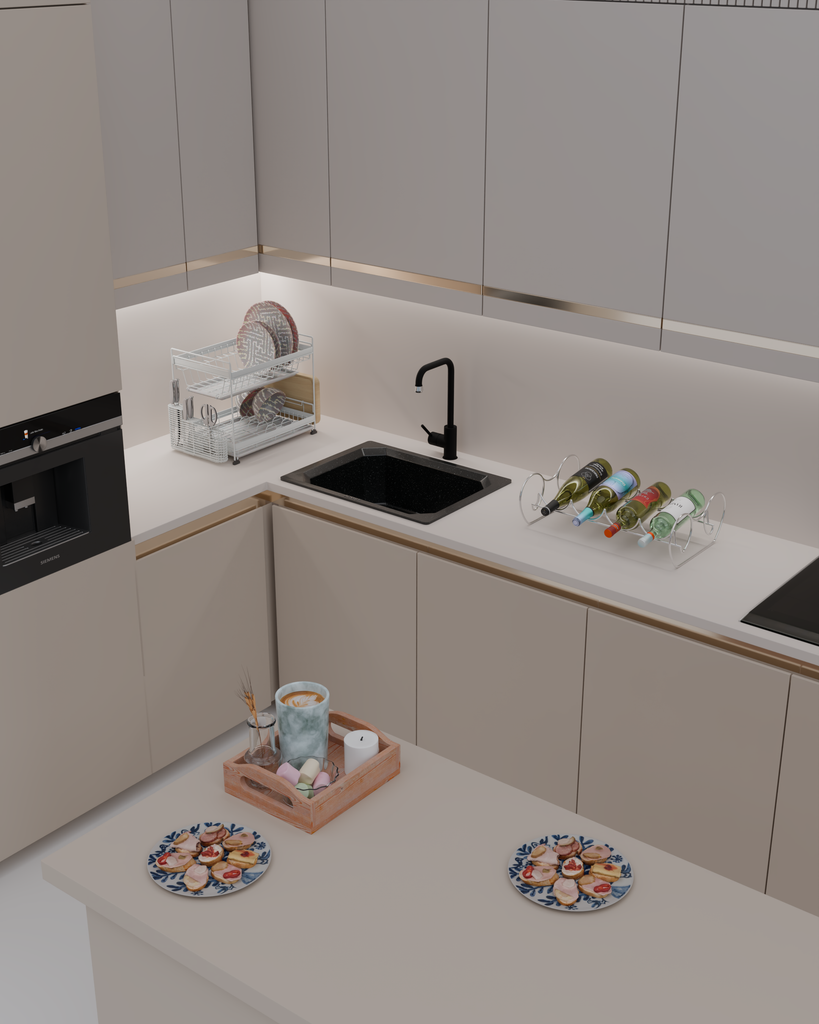
Your daily kitchen activities should influence the size of your sink.
Small Kitchen Sinks
Smaller sinks can work well in compact kitchens, utility areas, or spaces where countertop room is limited. They are generally suitable for lighter washing tasks and smaller utensils.
Medium Kitchen Sinks
Medium-sized sinks offer a practical balance between washing space and countertop availability. They can suit everyday household tasks without occupying as much space as a larger model.
Large Kitchen Sinks
Larger sinks provide more room for washing bulky pots, pans, and larger utensils. They can be particularly useful for households that cook frequently or need additional washing space.
Remember that the ideal size depends on the available cabinet space and your actual usage—not simply on whether a sink is small, medium, or large.
- Consider the Bowl Depth
Sink depth affects how comfortably you can wash utensils and how much water may splash onto the surrounding countertop.
A deeper bowl can accommodate taller utensils and larger cookware. However, you should also consider the height of the user, the countertop height, and comfort during prolonged washing.
Compare the sink’s internal bowl dimensions rather than relying only on its external measurements.
- Understand Sink Measurements
Kitchen sink dimensions are usually listed as length, width, and depth.
- Length: The measurement from one end of the sink to the other.
- Width: The measurement from the front to the back.
- Depth: The vertical measurement from the top edge to the bottom of the bowl.
For example, a sink measuring 18 × 24 × 8 inches has an external length of 24 inches, a width of 18 inches, and a depth of 8 inches if the manufacturer’s listed order is width × length × depth.
Always confirm the measurement order on the product specification sheet, as manufacturers may present dimensions differently.
- Check the Material and Finish
Size is only one part of choosing the right kitchen sink. The material and finish also influence its appearance, cleaning routine, and suitability for your kitchen.
Stainless steel sinks offer a familiar, practical appearance, while artificial marble sinks can provide a distinctive stone-inspired look.
ACRYST specialises in glossy-finish artificial marble kitchen sinks designed to bring a refined appearance to modern kitchens. When comparing materials, consider the manufacturer’s care instructions, heat limitations, stain resistance, and installation requirements.
Choose a finish that complements your countertop, cabinetry, and overall kitchen design.
- Don’t Forget the Installation Space
Before purchasing a sink, make sure the surrounding area can accommodate its installation.
Check that there is enough space for the tap, drain connection, plumbing, and any included accessories. If you are replacing an existing sink, do not assume the new model will fit the existing cut-out.
For a new kitchen, coordinate the sink dimensions with your kitchen designer or installer before the countertop is fabricated.
- A Simple Checklist Before Buying
Use this checklist to make a more confident decision:
- Measure the cabinet and countertop.
- Confirm the sink’s external dimensions.
- Compare the internal bowl dimensions.
- Choose a suitable bowl depth.
- Check tap and plumbing clearance.
- Review the material and finish.
- Confirm installation requirements.
- Compare the available models before purchasing.
Frequently Asked Questions
What is the best kitchen sink size for a home?
There is no single best size for every home. The right sink depends on your cabinet dimensions, available countertop space, household size, and daily washing requirements.
Is a deeper kitchen sink better?
A deeper sink can make washing tall utensils and larger cookware easier. However, the ideal depth also depends on user comfort, countertop height, and the sink’s internal design.
Should I measure the sink or the cabinet first?
Measure the cabinet first to understand the available installation space. Then compare it with the sink’s external dimensions and the manufacturer’s installation requirements.
Are external sink dimensions the same as bowl dimensions?
No. External dimensions describe the overall sink, while bowl dimensions describe the usable washing area inside it. Always check both before making a purchase.
What should I check before buying an artificial marble sink?
Review the dimensions, finish, installation requirements, care instructions, and manufacturer’s guidance on heat and stain resistance. Choose a model that suits both your kitchen layout and everyday needs.
Final Thoughts
Choosing the right kitchen sink size starts with accurate measurements and a clear understanding of your daily needs. Consider the cabinet space, bowl dimensions, depth, material, and installation requirements before making your decision.
A well-chosen sink can complement your kitchen design while providing practical space for everyday tasks.
Leave a Reply